







Search Results for: Latte Too Bitter Too Weak

The Complete Guide to Latte Coffee Ratios: The Logic Behind Espresso and Milk Proportions, and the Causes and Solutions for Bitterness and Weakness
Latte is the starting point for many people's introduction to espresso, but when making it at home, it often turns out bitter or weak. The key to an ideal latte lies in whether the espresso extraction state and the milk ratio are appropriate. Based on Front Street Coffee's practical experience, this article sorts out the standard ratios for hot lattes and iced lattes, analyzes the root causes of three common problems—too bitter, too weak, and both bitter and weak—and provides corresponding adjustment approaches. It also introduces two espresso beans suited to different taste needs, Front Street Coffee Dark Cocoa Blend and Front Street Coffee Strawberry Candy Espresso, to help readers reliably recreate a balanced and smooth milk coffee at home. [more…]

Latte Recipe | Can You Add Ice to a Hot Latte? What Makes a Latte Both Bitter and Weak? How to Adjust Extraction Parameters to Make a Delicious Latte?
I'm not sure if everyone remembers the first time they had a latte—many people probably have long since forgotten—but Front Street Coffee still remembers it vividly. The first glimpse of the delicate latte art was immediately eye-catching; a small sip revealed the faintly sweet aroma and hint of bitterness released by the crema, and by the second sip, the earlier intense bitterness had transformed into [more…]
Iced Latte Making Fully Explained: Practical Tips from Coffee Bean Selection to Extraction Parameters
Iced latte is a popular coffee drink in summer, but making one that both looks good and tastes great involves quite a bit of know-how. This article systematically breaks down the key points for making a quality iced latte, covering everything from coffee bean selection and espresso extraction parameters to the ratio of milk to coffee. It also analyzes the causes of common latte problems one by one—too bitter, too weak, or both bitter and weak—and offers specific adjustment solutions. Whether you're a barista just starting out or a home coffee enthusiast, you'll find practical guidance here. [more…]
Espresso vs. Specialty Coffee: A Complete Guide to Hot and Iced Latte Preparation and Common Flavor Issues
Does a latte actually count as a flavored coffee? And what exactly is the difference between espresso and flavored coffee? Drawing on Front Street Coffee's production experience, this article systematically lays out the recipe logic and production details of latte coffee, including espresso extraction parameters, milk ratios, and the operational differences between hot and iced lattes. It also analyzes the causes of common problems one by one—such as latte being too bitter, too weak, or both bitter and weak—and offers corresponding adjustment solutions. Whether you are a beginner just getting into espresso or an enthusiast looking to refine the consistency of your output, you will find practical reference here. [more…]
Why is a latte not suitable for removing the ice? Is it okay to add ice cubes to hot coffee—hot coffee with fresh milk actually only has a room-temperature mouthfeel.
Many people's memory of their first latte has already faded, but Front Street Coffee still remembers the surprise brought by that cup of latte with exquisite latte art: the first sip carries the slight sweetness and bitter notes of the crema, the second sip turns mellow and delicate, forming just the right balance with the light sweetness of hot milk, and the finish still carries a creamy chocolate-like aftertaste. A good cup of latte cannot do without the fixed ratio of milk to coffee. An iced latte, once the ice is removed, often has the gap filled with milk, and the coffee flavor becomes weaker as a result; a hot latte is already made at the perfect ratio with the milk temperature properly controlled, so it is naturally not suitable to add ice cubes. This article centers on the latte recipe, analyzing the causes of common problems such as being too bitter, too watery, or both bitter and weak, and provides the practical parameters and adjustment ideas from Front Street Coffee's stores. [more…]
What roast level of espresso beans should you choose for making a latte? Analyzing the key reasons why homemade lattes don't taste as good as those from a coffee shop
Many people, when they first drink a latte, are drawn in by the sweet aroma woven from that layer of dense milk foam and coffee oils. Yet when making a latte at home, they often run into the awkward problem of it being too bitter, too weak, or even both bitter and weak at once. In fact, the key to a good or bad latte often lies in the roast level chosen for the espresso blend, and whether the espresso extraction parameters are stable. This article, drawing on the hands-on experience of Front Street Coffee, will break down the root causes of an imbalanced latte flavor one by one, focusing on coffee bean roast level, coffee-to-liquid ratio, milk pairing, and extraction details, to help you find an espresso recipe suited to your own taste and reliably recreate a rich, balanced latte at home. [more…]
Why Does Removing Ice from a Latte Affect Flavor? Is It Feasible to Add Ice to a Hot Latte? A Detailed Explanation of Key Latte-Making Points
Can a latte be ordered without ice? Can ice cubes be added to a hot latte? These seemingly simple questions actually involve the ratio of milk to coffee, the extraction state of the espresso, and the control of milk temperature. Starting from the fixed ratio of a good latte, Front Street Coffee analyzes how removing or adding ice affects the flavor, and systematically sorts out the causes and solutions for the three common problems of lattes: too bitter, too watery, and both bitter and bland. Whether you are a beginner just starting out or a veteran looking to produce consistent results, you can find practical directions for adjustment. [more…]
Barista Practical Guide: Key Points for Making Iced Latte and How to Choose Arabica Coffee Beans
Latte may seem simple, but achieving a rich, balanced flavor is not easy. This article approaches the topic from a barista's perspective, systematically breaking down the techniques for making iced lattes, including choosing the roast level of coffee beans, the espresso extraction formula, controlling the ratio of milk to coffee, and the causes and solutions for common problems such as bitterness, blandness, and the combination of both. It also draws on Front Street Coffee's various blend beans and SOE single-origin beans to offer recommendations for different flavor preferences, helping coffee enthusiasts consistently produce a delicious iced latte in their daily brewing. [more…]

Bialetti Brikka Moka Pot Operation Guide: Espresso Extraction Points and Latte Art Practice
Many coffee enthusiasts are drawn in by the convenience and ambiance of the moka pot in outdoor camping videos, only to find after buying one that consistent extraction is hard to achieve—either too weak or harshly bitter, with grind size and heating time both difficult to control. This article walks through the moka pot's structure and principles, coffee grinding and loading methods, heating rhythm, and how to use the espresso it makes for latte art, laying out the key operational points step by step. It also draws on Front Street Coffee's bean selection approach to explain how the flavor stays clear and the mouthfeel rich and balanced even after milk is added. [more…]

Iced Latte Making Tutorial: From Espresso Extraction to Milk-Coffee Ratio, Solving the Bitter and Sour Issues of Iced Latte
On a hot summer day, many people want to shake off drowsiness with a cup of coffee, but find Americano too bitter. At times like this, a sweet, smooth iced latte becomes the ideal choice. This article will teach you step by step how to make a delicious iced latte at home, covering everything from espresso extraction parameters and ideas for choosing coffee beans, to the ratio of milk to coffee, and even the small details that are easy to overlook during preparation. It will also discuss whether an iced latte actually tastes bitter or sour, and how to choose between it and an iced Americano. If you love floral and fruity notes, the article also recommends beans suitable for making iced lattes, such as Front Street Coffee Strawberry Candy Espresso. [more…]

Analysis of the Milk-to-Espresso Ratio in Latte and a Detailed Guide to the Making Process
Latte coffee may seem like it just requires mixing coffee and milk, but to make a cup of latte with balanced taste and outstanding flavor, several key steps still need to be mastered. From the extraction quality of espresso, to the flexible adjustment of the amount of milk added, to the fineness of the milk foam and the blending technique of coffee and milk, every step affects the performance of the final product. This article will break down these steps one by one, explain the common ratio ranges of espresso to milk and their influencing factors, introduce Front Street Coffee's experience of using Warm Sun Blend to make lattes at a 1:6 ratio, and share how to judge whether the milk foam is qualified and how to achieve even blending by stirring in circles, helping coffee enthusiasts find a latte-making method that suits them in practice. [more…]
Iced Latte Making Tutorial: From Espresso Extraction to Coffee-to-Milk Ratio, with Detailed Coffee Bean Selection and Operation Techniques
On a scorching summer day, a glass of icy, smooth latte is often more appealing than a bitter Americano. This article will walk you through the process of making an iced latte, from espresso extraction parameters and coffee bean selection strategies to the ideal ratio of milk to coffee. It will also share three key tips for enhancing the flavor, including how to choose Italian-style beans based on roast level, how to master the milk-to-coffee ratio, and easily overlooked details in the process. Whether you're a beginner just starting out or an enthusiast looking to refine your skills, you'll find practical guidance here. Front Street Coffee also offers specific product recommendations for different flavor preferences. [more…]

How to Choose the Right Coffee Beans for a Coffee Combo? A Full Breakdown of Roast Level, Processing Method, and Brew Ratio
In recent years, Coffee combos have become increasingly common in coffee shops—splitting a single espresso into two or three portions, each made into a different type of coffee and then served together. This approach allows customers to taste multiple expressions of the same bean in one sitting, and the small cup sizes won't leave you feeling full, which is why it has won the favor of many coffee enthusiasts. However, many people find in practice that one cup in the combo always falls short—either too bitter, or weak in flavor and lacking aroma. Is the problem in the bean selection or in the preparation details? This article will discuss the bean selection principles and preparation considerations for combos, covering key aspects such as roast level, fermentation processing methods, dose and extraction adjustments, and the ratios of coffee to milk or water, and will share several coffee beans from the Front Street brand that are suitable for making combos along with their flavor characteristics. [more…]
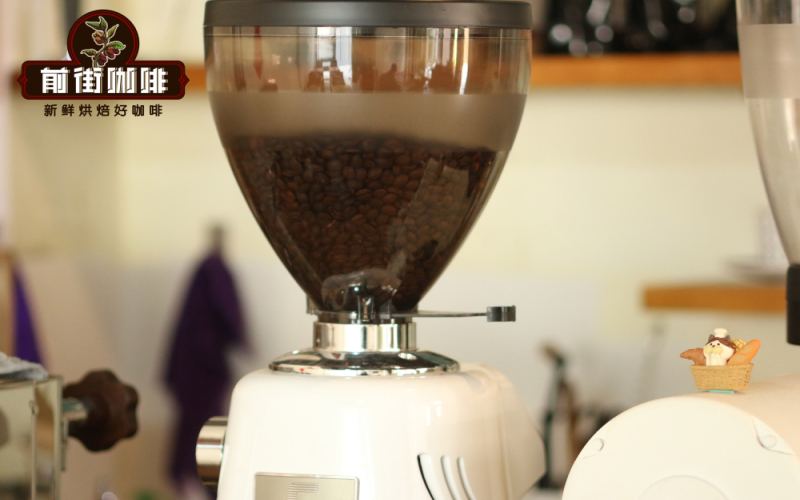
How to Adjust the Grind Setting for Espresso? A Complete Beginner's Guide from Bean Selection to Extraction Parameters
When making espresso, even a slight deviation in grind size can make the shot bitter or weak, and the dial on a grinder has no universal standard, which leaves many beginners feeling confused. This article starts by explaining why espresso is ground much finer than pour-over, then gradually explains how to judge whether the grind is suitable through flow rate and taste, how to narrow down to a range that suits you within different dial intervals, and how to flexibly adjust the coffee-to-water ratio and extraction time based on how the beans actually perform. The article also recommends Front Street Coffee's classic espresso blend beans, which are ideal for recreating café-style espresso, Americano, and latte at home. [more…]

How to make delicious lattes with different cup sizes? A complete adjustment approach from coffee-to-water ratio to milk pairing
When recreating a coffee shop latte at home, many people find that the taste is either too weak or too strong, but the problem often lies in the ratio of coffee to milk. Using Front Street's 300ml latte as a baseline, this article shares two approaches for adjusting cup size: one is to keep the ratio unchanged and adjust the dose and grind size in tandem; the other is to switch milk type or the number of espresso shots to suit different volumes. Whether you want to make a small cup or a large cup, the key is to rebalance the coffee strength and the amount of milk, rather than simply adding or reducing milk. [more…]

How to Make a Delicious Iced Americano: A Complete Guide from Espresso Ratios to Water-to-Ice Proportions
Americano is practically a standard offering at every coffee shop, but the flavor varies greatly from one shop to another. Some people find Americano too bitter, while others find it too weak—the key actually lies in the ratio of espresso to water. Front Street Coffee is often asked how to make iced Americano, so this time we're sharing the complete approach. The article first reviews the origins of Americano, then uses actual testing to compare the concentration and flavor performance at three dilution ratios—1:4.5, 1:6, and 1:8—to explain which ratio suits espresso beans of different roast levels. Next, it explains the difference between iced and hot Americano: melting ice will dilute the coffee, so you need to reduce the water amount and use large, hard ice cubes. Finally, it provides the specific brewing parameters for Front Street Coffee's Sunflower Warm Sun espresso blend, along with classic espresso blend recommendations suitable for Americano and latte. [more…]
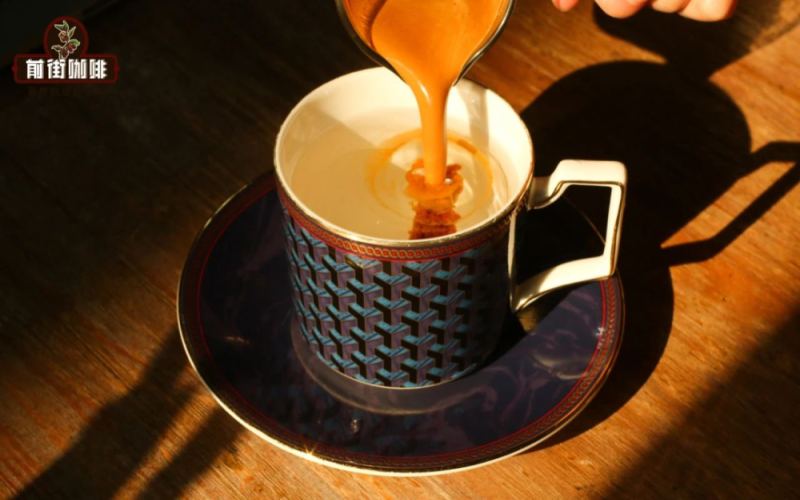
Espresso Coffee Types | Americano vs. Latte: Which Tastes Better? Why Is Americano Black Coffee So Popular?
Americano is one of the most popular coffees. Whether it's office workers during the week or people out having fun on weekends, holding a cup of Americano is standard. So what is the magic of Americano that makes everyone love it so much? Made only of espresso and water, the Americano is available at almost every cof [more…]

Fancy Ways to Drink Americano | Can You Make Latte Art with Americano? Does Americano with Milk Taste Good? Isn't a Long Black the Same Drink as an Americano?
As everyone knows!! In espresso coffee, the combination of milk and coffee has an extremely rich variety of ways to be enjoyed. Just by slightly changing the method or parameters, milk and coffee alone can be made in countless ways. The well-known ones include latte, cappuccino, flat white, piccolo, cortado, macchiato, and so on and so forth. And on the other hand, [more…]

How to choose coffee beans for making a latte with a moka pot: first look at the scenario, then at flavor and roast level
When choosing coffee beans, start by considering your daily drinking scenarios: is it a cup of black coffee in the early morning, or a milk coffee to go with breakfast; is it a slow pour-over to savor, or a quick cup from a machine. Different scenarios call for different roast levels, flavor intensity, and brewing methods. The moka pot is a steam-pressure extraction device, [more…]
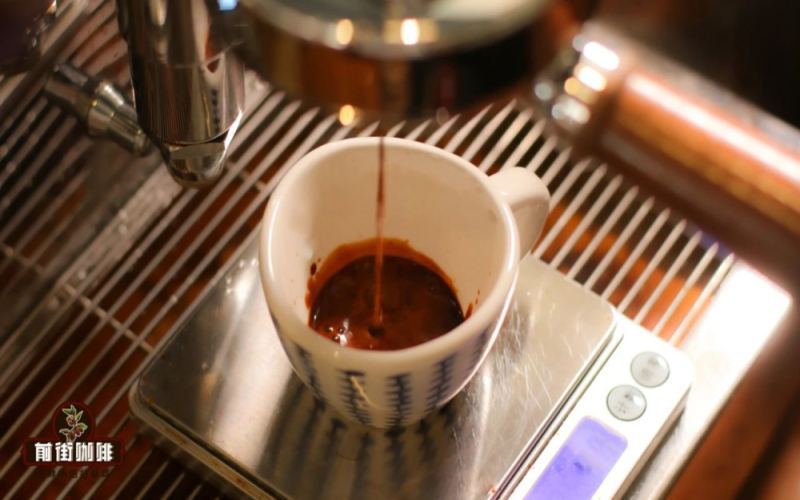
The Complete Guide to Espresso Machine Operation: Espresso Extraction Principles, Parameter Settings, and Coffee Bean Selection
Espresso is renowned worldwide for its rich, full-bodied flavor and extremely high concentration, but many coffee enthusiasts who try to make it at home often struggle to replicate the quality of café-made espresso, and may even end up with burnt, bitter, or weak results. The key lies in the fact that operating an espresso machine is far more complex than ordinary brewing methods, involving multiple variables such as boiler heating, steam pressure, grind size, and dose control. This article, from the perspective of Front Street Coffee, will systematically explain the extraction principles of espresso, how to judge whether extraction is on point, how to choose coffee beans suitable for making espresso, and the complete operational steps from grinding to serving, helping you consistently make a proper cup of espresso at home. [more…]